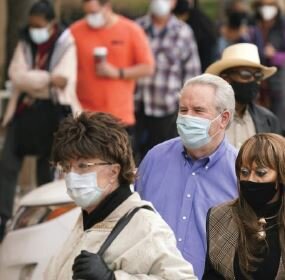
Officials report that the number of new COVID-19 cases is on the rise in Dallas County even as global numbers decline.
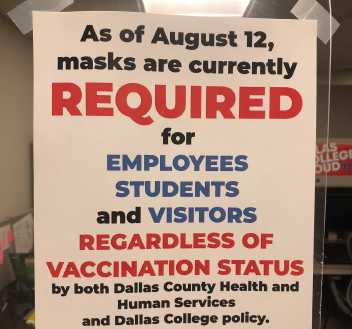
According to a spokesperson for Dallas County Health and Human Services, the COVID-19 assessment risk has been raised to orange as cases begin to rise once again.
Inflation has become an issue for the Biden administration as his 1.9 trillion-dollar coronavirus relief package in March of 2021 was perhaps the fastest economic growth since 1984, according to the Associated Press. However, not all would last as government interventions and the looming supply chain problems have influenced inflation to rise at a nearly 40-year high of 7%, according to the Associated Press.
However, as we see more scenes of empty shelves and people being concerned about the term inflation, many people may not know about inflation. Todd Senick from the Bloom- berg Finance lab from Richland Campus, explains what inflation is and the ways they are measured. “Inflation is the rise in prices of goods and services. There are two ways of measuring inflation, CPI is the Consumer Price Index and PCE is Personal Consumption Expenditures,” Senick said.
The COVID-19 omicron variant from the South African region that was discovered in late November became the dominant strain by Dec. 21 when 73% of national cases were from the newly found variant, according to the Associated Press.
On Dec. 28, 2021, Dallas County Health and Human Services raised its COVID Risk Assessment level to Red which urges more precaution and care, due to an increase of cases across the county.
At press time, Texas Health and Human Services announced that 44,036 new cases were reported in a single day and over 300,000 cases were reported in the previous week, a sharp increase in comparison to previous times.
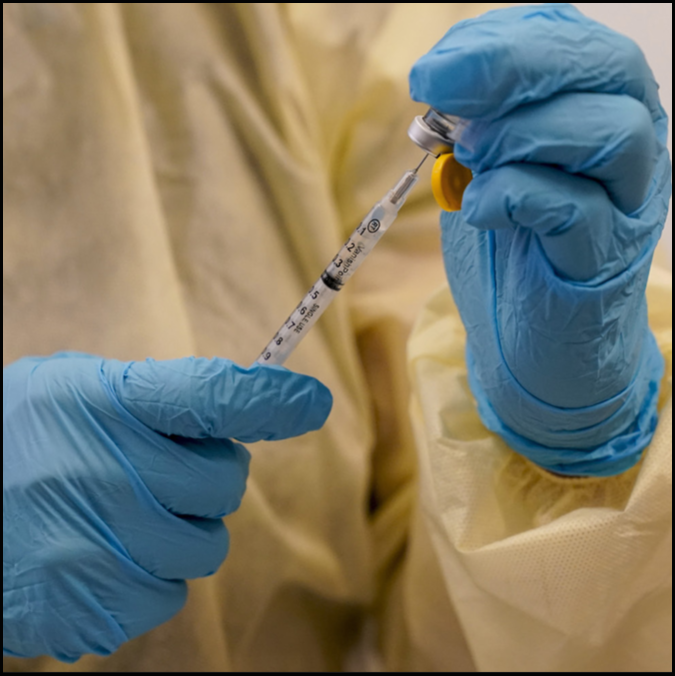
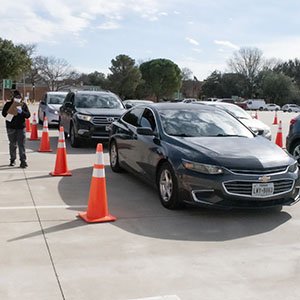
This has prompted several new testing sites to be opened, including on several campuses of Dallas College such as North Lake, Mountain View and Richland.
A new strain of COVID-19 that has been identified by South African scientists was announced on Nov. 26. The World Health Organization said the variant is now designated as a “variant of concern” and named it Omicron.
After assembling a group of experts to assess the data of the new variant, a spokesperson for the health agency said, “Preliminary evidence suggests an increased risk of reinfection with this variant,” in comparison to other variants. WHO’s COVID-19 technical lead Maria Van Kerkhove noted in a video from the health agency that there are a lot of mutations spotted in the newly found variant and it may take weeks to find out if scientists can assess its possible effects on vaccines.
While Dallas College students will be able to return to their physical classrooms for the first time since March of 2020, not all will be the same because of the COVID-19 pandemic.
As more people get the COVID-19 vaccine and the rate of infection and death decline, questions have arisen about the possibility of vaccination requirements for school and travel. Vaccine passports are essentially evidence to prove an individual has been vaccinated.
The past 12 months have gone beyond pandemic fatigue. For Texas residents, it’s in addition to recovering from an unlikely winter storm in February. For Dallasites, it’s the culmination of abnormal weather, including last year’s tornado, from which some residents still haven’t recovered. For our fellow students, it’s been about the transition to “One College.”
What a year it has been. As we came upon the anniversary of the great COVID-19 pandemic on March 11, I realized my life was so much different a year ago than it is now. I was an older, returning college student who worked at Richland Student Media, a freelance videographer and a church tech. My life was busy with school and work and what I hoped to be a career in oral history preservation. Today, the future has a big question mark and I spend most of my days in my home office studying and for now still working at Richland Student Media.
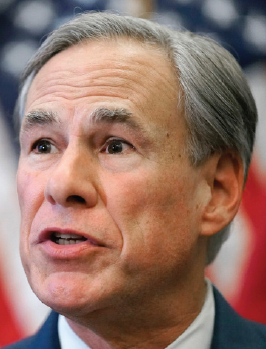
“Make no mistake, COVID-19 has not disappeared, but it is clear from the recoveries, vaccinations, reduced hospitalizations and safe practices that Texans are using that state mandates are no longer needed,” said Texas Gov. Greg Abbott. He signed an executive order March 2 to lift the mask mandate in Texas and open all business and facilities in the state 100%.
As millions of Texans sat in their homes with no power or water and temperatures below freezing, there was little to no communication from energy companies or government officials, so grass root organizations and groups of young activists took it upon themselves to fill in the gaps that Texas government officials were not filling.
Two weeks after a historic winter storm rolled into Texas leaving as many as 40 people dead at press time, residents shivering in dark dealing with frozen pipes and having to boil water to drink, lawmakers, state energy workers and others are pointing fingers at each other about who is to blame.