
Dallas College is hosting its second annual Sexual Health and Wellness Carnival 10 a.m. to 2 p.m. Sept. 23 in the El Paso Student Lounge. There will be a mix of fun and educational games, such as STI trivia and condom relay, all with the goal of making it simpler for students to talk about safe sex. The focus of the carnival is to help students learn about sexual health in a fun and interactive way. According to a recent survey by the American College Health Association, there’s still a long way to go when it comes to safe sex practices among students.
The Spring 2025 National College Health Assessment found that while most sexually active students used contraception during vaginal sexual intercourse, the usage of condoms and other kinds of protection was far lower for other sexual activities. This reflects that while most are mindful of pregnancy prevention, protection against STIs can be less consistent when it comes to non-penetrative or higher risk activities. Richland students shared their thoughts on safe sexual practices.
Manny Garza, a Richland student, said, “I’m currently in a committed relationship and we have that sorted as she has an IUD.” He did also emphasize the importance of safe sex by adding, “You should have some kind of reverence or responsibility for human life, so you know, if you’re not planning on having a kid just think about it.”
Student Camila Huerta said, “I think it’s very good for people to know what contraception is and have access to it, and we need to educate everyone on what kind is best for them to use.”
The students also spoke about the need for safe sex practices with multiple partners. “If it’s multiple partners I think it’s good to do it every couple of months, like five months,” said Huerta.
Garza said, “Definitely every time you have a new partner, but also just regularly with check-ups is good or after anything invasive like tattoos or surgery.”
The National College Health Assessment show what these responses make clear, students need accessible sexual health education and resources. They also reveal the gaps in knowledge and access, showing where the right support could make a difference when it comes to students making safer and more informed decisions about their sexual lives.
Resources such the Sexual Health and Wellness Carnival and other events help bridge these gaps. Along with games and activities, students can also take advantage of free health services such as vaccinations, a blood drive and several other local community resources.
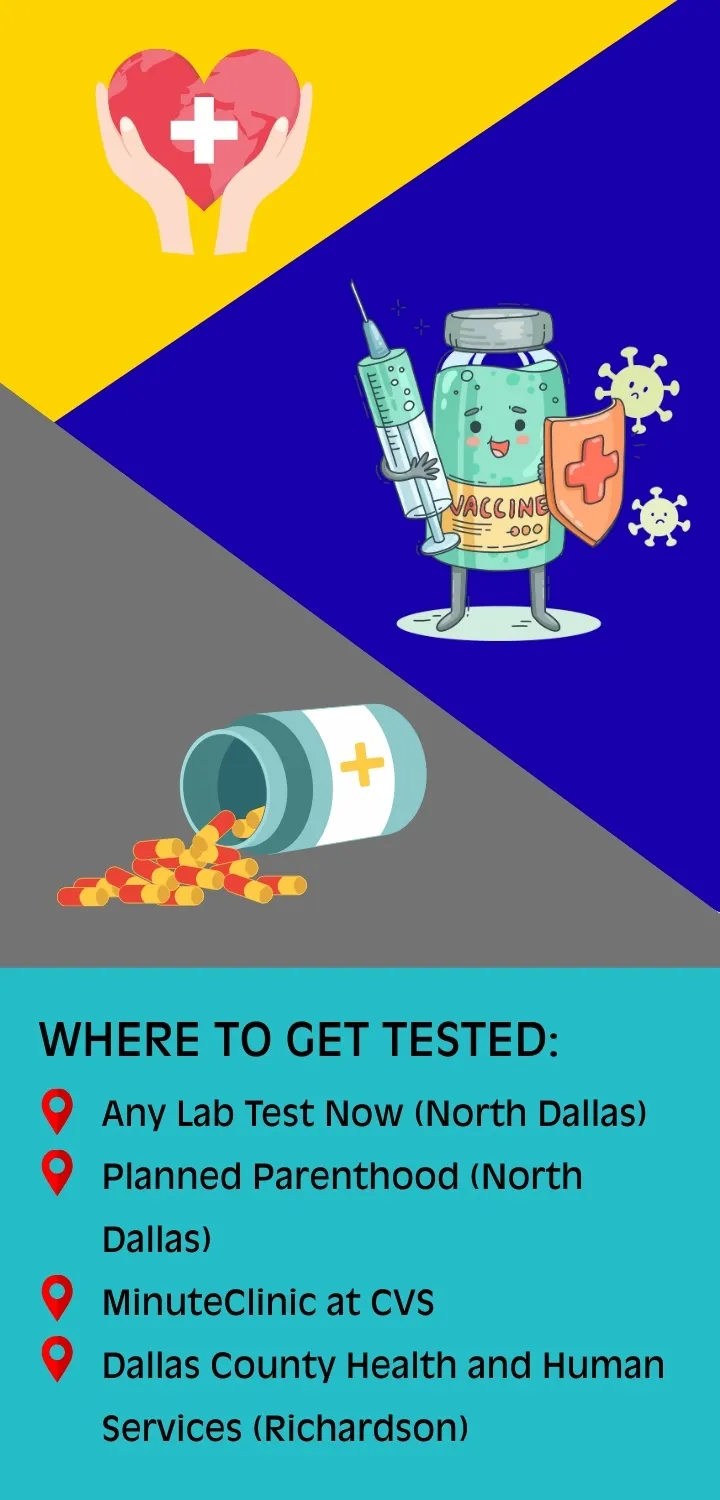
For those who can’t attend, Dallas County’s Sexual Health Clinic and Mobile Medical Unit offer free STD testing and prevention services, as well as the AIDS Healthcare foundation at multiple of their locations.