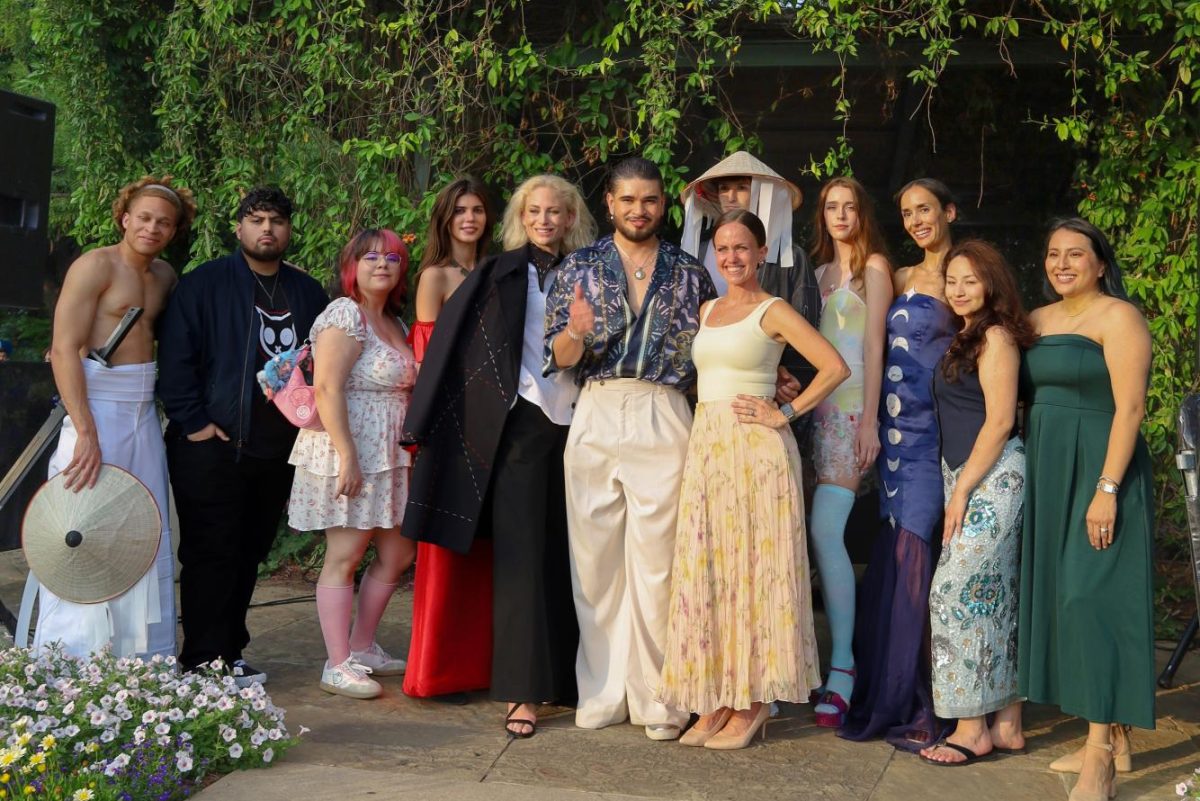

The federal grant program known as TRIO Student Support Services is entering a new five-year cycle on the Richland campus, with a mandate to provide a support system for 270 eligible students annually.
According to Anita Jones-Davis, the program’s director at Richland, TRIO serves as a toolbox of resources, including free tutoring, career connections and academic advising, to help participants navigate their journey toward a four-year degree.
“Our mission, really, is to provide our students with the experience that allows them to see themselves as having a voice in their future careers, and also being the leaders today,” she said.
Jones-Davis said TRIO focuses on “beginning with the end in mind,” a strategy intended to help students visualize their graduation and career goals from the moment they join the program.
The eligibility for TRIO is established by the Department of Education. Jones-Davis said that to qualify, a student must be a U.S. citizen or permanent resident and meet at least one of the three core criteria, which are being a first-generation college student, meeting federal low-income guidelines or having a documented disability.
Staff members said the personalized nature of the support is what defines the TRIO experience.
Sabrina Jones, a program service coordinator who has been with Dallas College for 15 years, said the staff works one-on-one with students to assist with academic processes such as picking out classes and transferring to four-year institutions. “They don’t know how to maneuver the college or anything, so that’s why we’re here to help them,” Jones said.
Jones said her role includes assisting with scholarship applications, providing recommendation letters and helping with the annual renewal of financial aid.
Akua Santi, a grant program coordinator with 26 years of experience at Richland, shared what she thought the office’s most important support function is. “I think it’s listening,” Santi said. “Listening to students when they come into your office.”
Santi said this intentionality often extends to helping students navigate specific academic and personal hurdles.
She said she works to provide an outlet where students can open up about their challenges, which helps her make informed suggestions for their success. “It’s nice to see young people win,” Santi said.
Caleb Giddings said he joined TRIO after exploring available campus resources. For Giddings, the program has provided a platform for both academic stability and personal development. “I definitely feel like I’ve gained some leadership skills from being in TRIO,” he said. Giddings said the program encouraged him to take on more responsibility and matured his approach to his education.
Giddings said the TRIO staff acts as “personal success coaches,” who provide guidance on daily assignments and long-term transfer planning. The program also facilitates community engagement, such as toiletry and clothing drives for women and children.
Jones-Davis said that nationally, the TRIO legacy is vast, with over 6 million graduates including figures such as Michelle Obama and Viola Davis. At the Richland campus, Jones-Davis said this is supported by Trio Champions: faculty members who collaborate with the program to ensure students are connected to the resources they need to succeed in their coursework.
As TRIO moves forward with its current grant cycle through 2030, Jones-Davis said the program continues to offer cultural field trips, such as visits to the Dallas Farmers Market, and workshops on self- advocacy and career transition.
She said the program’s success depends on student engagement. “They have to participate in the program for the program to work.
“We celebrate everything,” Jones-Davis said. “Just like family. We are a family that celebrates and we’re present with them through the ups and downs and the restarts.”