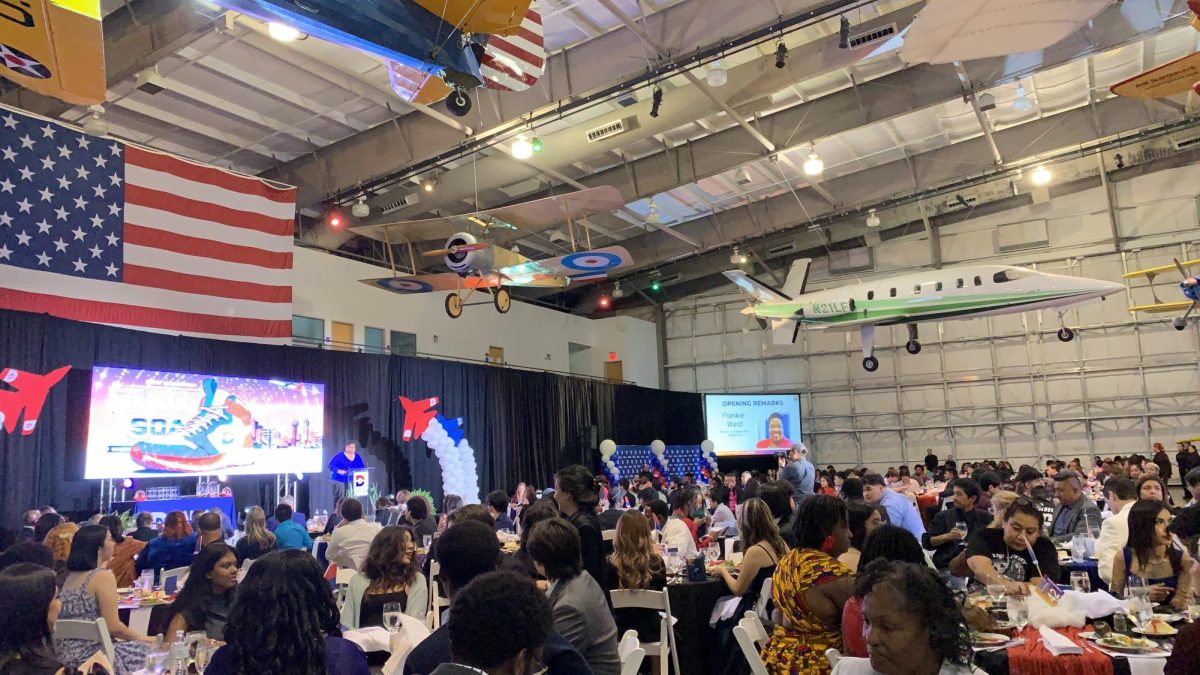
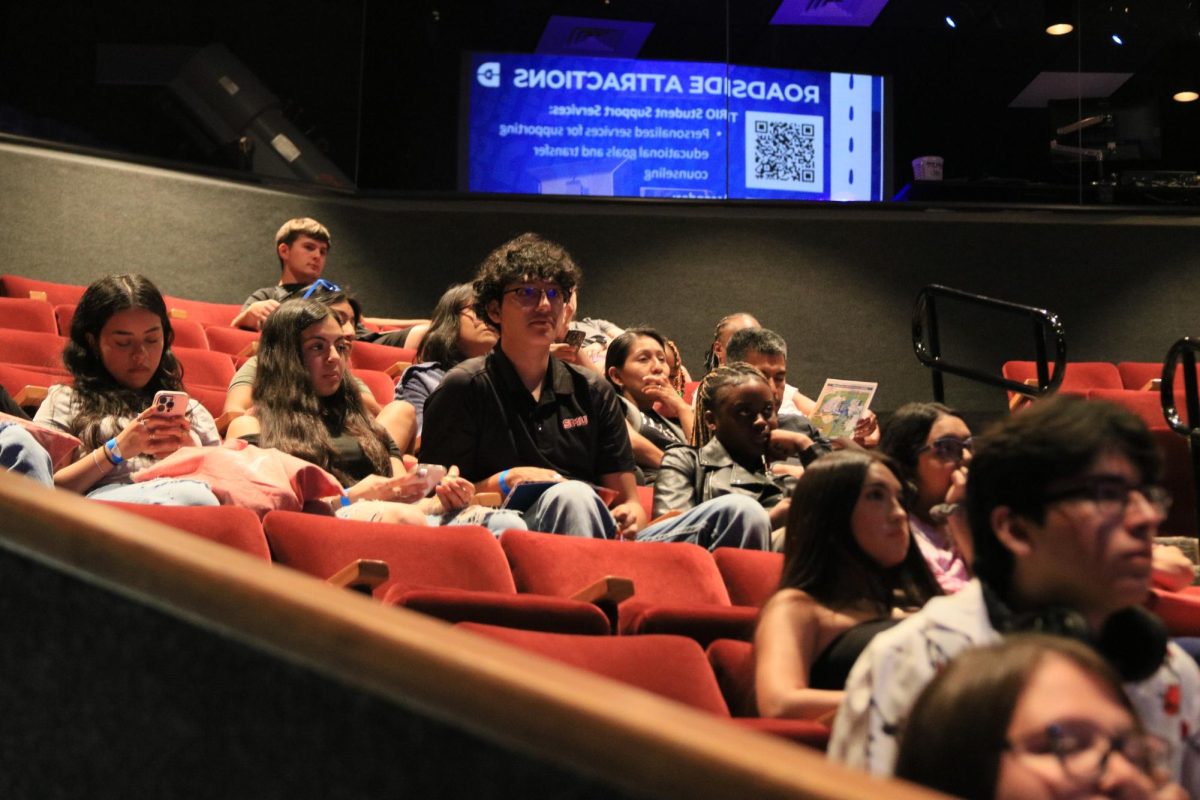
As summer vacation draws to a close, the start of the fall semester is finally here. At the New Student Orientation on July 22, freshman students enrolling at Richland—as well as some familiar faces returning to campus this fall—were greeted by faculty and the student-led clubs at the booths in the Resource Fair. Clubs such as the Student Government Association (SGA) and the Student Ambassadors handed out brochures and flyers to guests.
“Future Thunderducks, I am here to extend the official Thunderduck call,” said Richland Campus President Dr. Kathryn K. Eggleston as she blew into a duck whistle. Inside Fannin Hall’s auditorium, this became the greeting and introduction for the incoming freshman class. “Because this is the home of the Thunderducks, and when you start your courses this fall, you will become a part of Thunderduck nation” Eggleston added.
For the upcoming freshman students who might not have been able to attend the orientation, however, below is a list of the main components discussed in the New Student Orientation.
Program of Study – A program of study is a set of courses that each student needs to take to earn a degree or certificate. Metaphorically speaking, think of the student as being the driver behind a car, and the program of study as a roadmap that will guide them to their destination. If they are not sure about their options, they can visit any campus success coach office and ask any questions they have.
Success Coach – That leads into the next important topic of discussion: success coaches. Success coaches at Richland are the academic counselors who assist students when registering for courses, selecting programs of study, academic advising, and so much more. Go to Thunderduck Hall, schedule an appointment, and a success coach will be more than willing to help them on their academic journey.
Learning Commons – Learning commons is a dedicated area in the library where students can gain access to valuable learning resources such as tutoring, study rooms and exam rooms. It’s located in Lavaca Hall in L100.
Accessibility Services – Accessibility services are resources that provide accommodations for students who have a learning disability or who are struggling academically. Accessibility Services are approved by the Americans with Disabilities Act. Their services will always remain confidential for any student who needs them. Their office is located on the first floor of Thunderduck Hall.
Learning Framework: EDUC–1300 (Learning Framework) is a three-credit course offered at Dallas College that serves as an introduction to college level coursework, studying and learning. It helps first-year college students improve their academic performance in all classes, develop marketable skills for job resumes, set goals and informs them on how to conduct library research. This course is required for students pursuing an Associate of Arts or an Associate of Science degree. In addition, Learning Framework is beneficial to any student who struggles with note-taking, studying or time management. These are the fundamentals to keep in mind when enrolling at Richland.
After the young freshman class were given a 101 lesson about college coursework and every valuable learning resource offered at Dallas College, they could go to any of the three breakout seminar sessions taking place that day. Between 4:55 to 5:20 PM, students could stay in the auditorium in Fannin Hall if their goal is to transfer to a four-year university and learn more about the process, they could attend the breakout session “Transfer Bound.”
If a student’s goal is to earn a trade certificate, then they could learn more at “Graduate and Go: Pathways to Work!” in Red River Hall. Lastly, students could go to the Discovery Zone, also in Red River, another seminar that educated and informed students about developing important skills when transferring or to thrive professionally in any career.
For students attending college for the first time, it can be intimidating and feel like a big leap from high school.
But with these five important tools and services offered at Richland, any student has the tools to become successful in achieving their future goals.
Every Monday and Wednesday, Richland Campus student Glen Pierre wakes up at 6 a.m. sharp to have breakfast, get dressed and catch the earliest bus from South Dallas to Richland. Pierre’s two-fold mission: pickleball and steel drums.
He arrives on campus at around 8:30 a.m. and heads to the gymnasium in Medina Hall, where some of his peers have already begun stretching for a workout led by Richland men’s basketball coach Jon Havens. The workout, a series of single-leg balances, light jogs and ball passing, lasts nearly an hour before Pierre and the rest of the group separate into clusters and queues to play pickleball.
Pierre is 70 years old. A former fisherman and camera operator the 1980’s television series “Miami Vice,” he spends most of his days cooking, baking, teaching music or running The Caribbean Connection Island House. That’s a cultural recreation center in South Dallas. He is also a part of the Lifelong Learning Program, a program offered by Dallas College that provides Dallas County residents 55 and over with free enrollment of up to six
With summer ending and the fall semester approaching, here are five tips to help incoming freshmen transition smoothly into college life.
Break out of your comfort zone.
Starting college can be nerve-wracking, especially when you are in a new environment surrounded by unfamiliar faces. But getting involved can help students overcome that feeling.
Kent Ho, president of the Student Government Association at Richland, encouraged new students to participate in campus activities. “I recommend joining clubs and organizations,” he said, adding that many students feel nervous at first.
It is highly suggested that students attend meetings or explore different student clubs like PTK (Phi Theta Kappa) and SGA (Student Government Association) to get the full college experience.
Chris Cason, a tutor at the Richland Learning Commons, said, “There are certain clubs that we have at the college, things like, the gaming clubs and book clubs. But there’s also a lot of other clubs and groups that are more academic centered or will help you find other